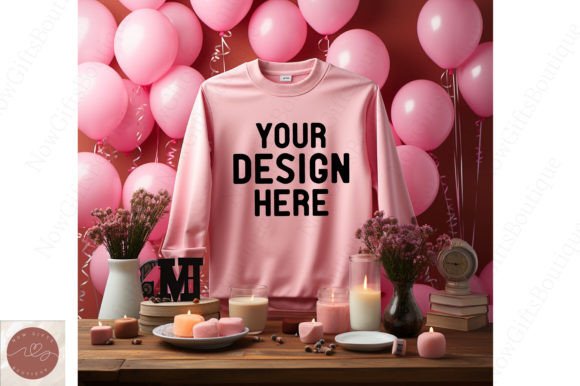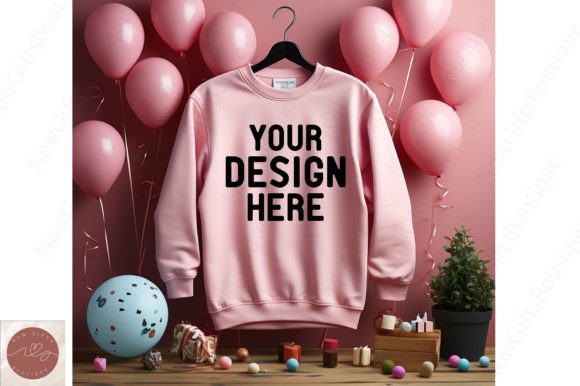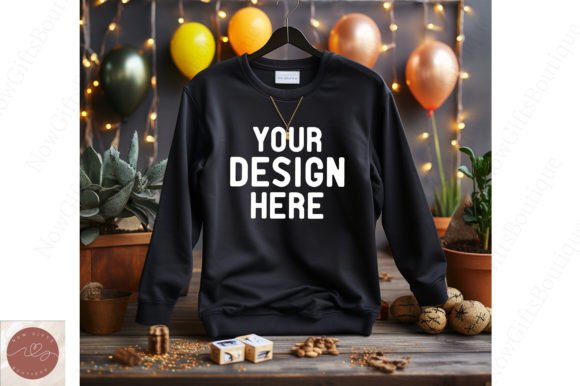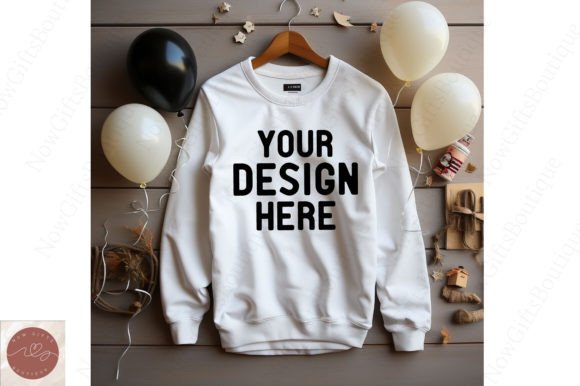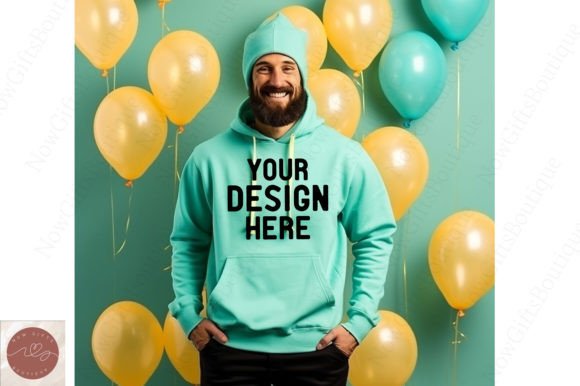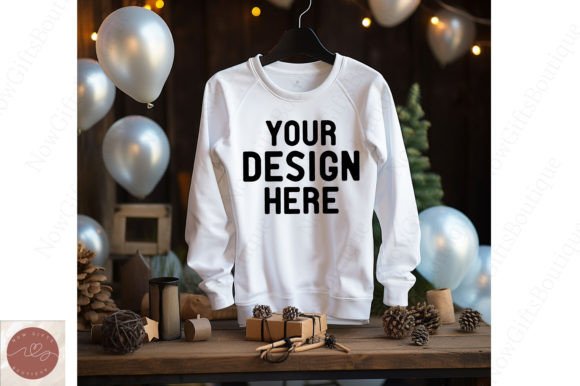
Reviewing the Happy New Year Sweater Gildan Mockup 14
As an embroidery designer who has spent years digitizing patterns and testing them on everything from stiff denim to delicate baby knits, I approach every new machine embroidery design with a critical eye. It is not enough for a graphic to look pretty on a screen; it must translate flawlessly into thread. Recently, I evaluated the Happy New Year Sweater Gildan Mockup 14 to determine its viability for real-world production. This is not just a digital asset; it is a potential cornerstone for holiday collections, and understanding its practical application is vital for any serious craft business.
First Impressions and Visual Personality
The immediate mood created by this design is one of cozy celebration. The layout suggests a classic, festive warmth that aligns perfectly with the winter season. When I first loaded the preview, I looked for balance. Does the composition feel top-heavy? Are the lines clean enough to be interpreted by a needle? The visual personality here leans toward traditional holiday cheer, making it an excellent candidate for holiday embroidery projects that aim to evoke nostalgia and comfort.
For those of us creating design assets for clients, the clarity of the theme is paramount. This mockup allows you to visualize how your illustration, SVG cut file, or watercolor drawing will sit on a garment. In the context of the Happy New Year Sweater Gildan Mockup 14, the presentation suggests a design that works well with bold, celebratory motifs. It does not rely on overly intricate, microscopic details that might get lost in the pile of a fleece or sweatshirt fabric, which is a smart choice for this category of Hoodies Sweatshirts.
Real-World Application in Custom Apparel
Let us move beyond the screen and into the studio. Imagine you are preparing a custom order for a boutique client who wants matching family outfits for New Year’s Eve. You are working with a heavy cotton blend sweatshirt. This is where the rubber meets the road. The Happy New Year Sweater Gildan Mockup 14 serves as a crucial planning tool. By using this mockup, you can show your client exactly how their personalized text or chosen graphic will interact with the garment’s structure before you stitch a single thread.
I often use such tools to plan sweatshirt embroidery because the fabric texture can dramatically alter the final look. A design that looks sharp on a smooth t-shirt might sink into the loops of a terrycloth or fleece. This mockup helps bridge that gap. It is equally effective for planning a tote bag design or a sturdy canvas apron. The versatility of the presentation means you can adapt the visual concept for various handmade products, ensuring that the scale and placement feel intentional rather than accidental.
For Etsy sellers and small shop owners, presentation is half the battle. Using high-quality printable mockup resources like this one elevates your listing photos. It transforms a simple digital file into a tangible, desirable personalized gift. Customers need to see the potential of the finished product to commit to a purchase. This mockup provides that necessary visual context, helping buyers imagine the item in their own lives.
Navigating Fabric and Stitch Challenges
While the visual appeal is strong, we must discuss technical execution. Embroidery is a physical medium, and physics applies. If you are translating the vibe of this mockup into an actual embroidery file, you must consider stitch density. Heavy garments like hoodies and sweatshirts can handle more weight, but too much density can cause puckering. I recommend using a cutaway stabilizer for these heavier fabrics to ensure the design remains flat and professional after washing.
Be cautious with curved surfaces. If you plan to adapt this concept for a cap or a fitted sleeve, the geometry changes. What looks straight on a flat mockup may distort on a curve. Additionally, if your design includes tiny lettering or fine corners, test it on scrap fabric first. Satin stitch borders can look magnificent, but they require precise tension settings. On textured fabrics, a running stitch outline might sometimes offer better definition than a dense fill, depending on the specific graphic elements you are incorporating.
Dark fabrics present another challenge. If you are stitching on a navy or black hoodie, your thread colors must have high contrast. The mockup helps you visualize this contrast digitally, but always do a physical test stitch. A lack of contrast can make even the best applique design look muddy and indistinct from a distance.
Enhancing Brand Consistency and Value
For commercial embroiderers, consistency builds trust. Using a standardized mockup process ensures that your portfolio looks cohesive. Whether you are selling digital embroidery file packages or finished custom apparel, the professional presentation signals quality. It tells the buyer that you pay attention to detail. This perception of quality allows you to command higher prices for your small shop product offerings.
The Happy New Year Sweater Gildan Mockup 14 fits seamlessly into a broader strategy of commercial embroidery marketing. It is not just about showing a shirt; it is about selling a feeling. When a customer sees a well-rendered mockup, they are buying into the experience of wearing that item. This emotional connection drives engagement and conversion rates for craft business owners.
Practical Designer Notes for Best Results
To get the most out of this resource, keep these practical steps in mind:
- Test on Scrap Fabric: Never skip this step. Verify how the stitch types interact with your specific material.
- Check Thread Contrast: Ensure your color palette pops against the background fabric, especially for holiday themes.
- Review Stitch Density: Adjust density settings based on the fabric weight to prevent puckering or stiffness.
- Confirm Hoop Size: Make sure your machine’s hoop can accommodate the full design without re-hooping, which can cause alignment issues.
- Inspect Small Details: Zoom in on digital proofs to ensure no elements are too fine to stitch reliably.
- Use Proper Stabilizer: Match the stabilizer type (cutaway, tearaway, washaway) to the fabric stretch and weight.
- Verify Licensing: Always confirm the license terms for any Graphics or mockups used in commercial products to ensure you are compliant when selling finished items.
In conclusion, the Happy New Year Sweater Gildan Mockup 14 is a valuable tool for the modern embroidery professional. It bridges the gap between digital concept and physical reality, allowing for better planning, clearer client communication, and more compelling marketing materials. By combining this visual aid with rigorous technical testing, you can create embroidered patch work, baby embroidery items, and festive apparel that stands out in a crowded market. It is about working smarter, not just harder, to deliver exceptional embroidery project results.